
Shoppers who hunt for extreme clearance bargains often ask: what exactly are Home Depot penny deals and how can you spot them without wasting time? This guide breaks down the strategy, explains common sources, and gives step-by-step tactics to improve your chances of finding penny-priced items legitimately.

What are Home Depot penny deals?
Home Depot penny deals are heavily marked-down clearance items that sometimes scan for one cent at checkout or are sold at clearance prices so low they feel like a penny sale. These typically result from deep clearance cycles, inventory discrepancies, vendor returns, or seasonal markdowns. While not an official corporate promotion, penny deals reflect the intersection of manual markdowns, barcode errors, and smart shopper timing.
Why penny deals happen
- Overstock or discontinued SKUs that must clear shelf space.
- Seasonal items after major holidays or end-of-season resets.
- System mismatches between the shelf tag and the register price.
- Manufacturer or vendor takebacks and bulk returns that get deep discounted.
Because these events are irregular and localized, penny finds are rare but repeatable if you follow the process and watch store cycles closely.
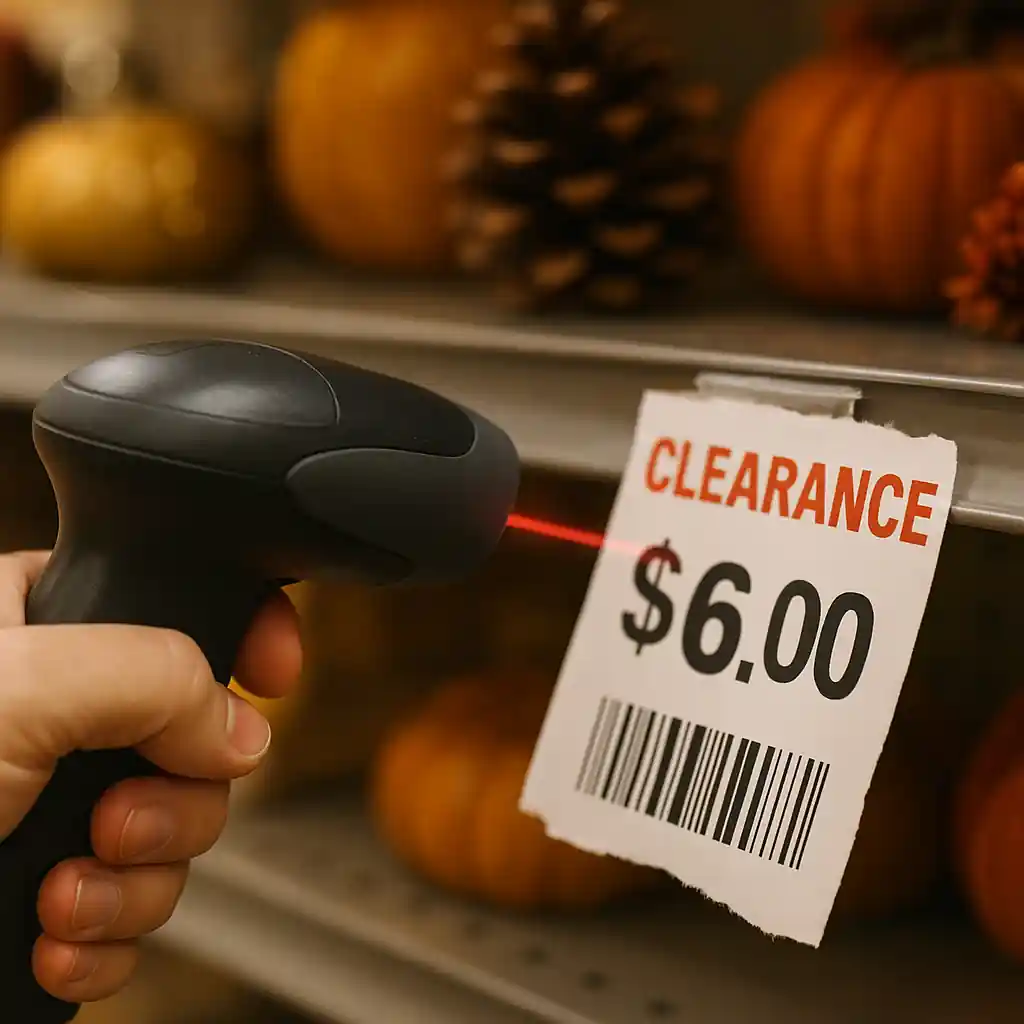
How penny deals at Home Depot work (step-by-step)
There’s no central “penny list” published by Home Depot. Instead, success comes from a repeatable routine. Use the steps below as a blueprint:
- Monitor clearance sections weekly. Check seasonal aisles after holidays and during major sale weekends.
- Scan shelf labels and barcodes. Use the Home Depot app or in-store scanners to confirm posted markdowns; some prices don’t update on tags.
- Price-check at the register. If a scanned price is suspiciously low, ask a cashier to verify or run a price check at customer service.
- Document the item. Take clear photos of shelf tags, barcodes, and the product to show a manager if needed.
- Know return and policy rules. If a penny price results from an error, be prepared for staff to follow store policy—polite persistence helps.
Following a consistent routine increases the likelihood of finding penny markdowns while staying within store rules and avoiding conflicts.
Where to look for penny items
Focus your search on categories and timing windows that historically produce deep cuts. Top areas include seasonal decor, holiday lighting, garden and outdoor, moving supplies, and discontinued paint or trim accessories. When stores reset seasonal merchandise, shelves often show temporary pricing anomalies.
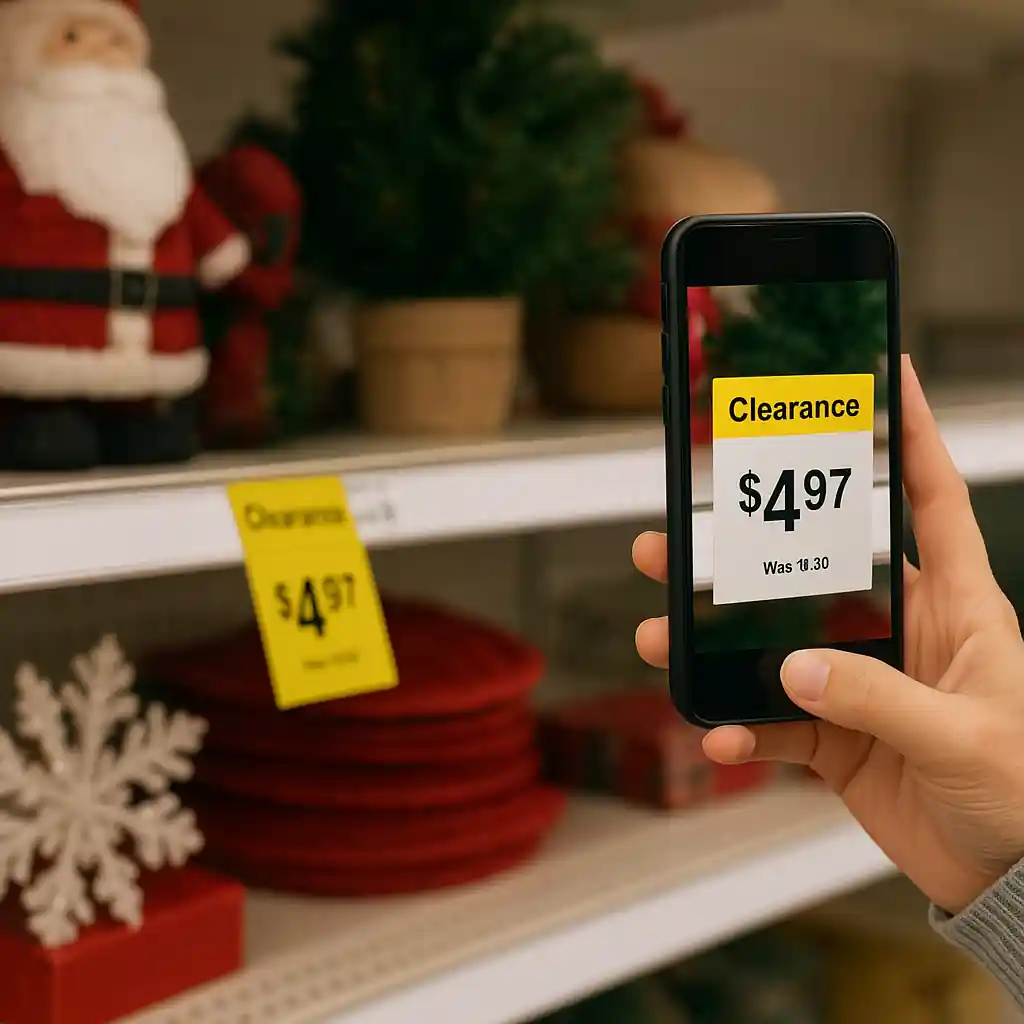
Where to find Home Depot penny deals in store and online
Most penny deals are discovered in-store, but you can scout both channels. In-store advantages include direct shelf scanning and immediate price checks. Online, clearance pages and daily deals occasionally list items at steep discounts — though true penny pricing is far more common inside physical stores.
Use the Home Depot website for quick lookups on SKU availability and to confirm whether a product is officially discontinued. When in doubt, compare the online SKU to the shelf barcode before you head to customer service.
For coupons and stacking strategies that help when penny finds are unavailable, see our comprehensive Home Depot promo tips and online coupon guide: home-depot-promo-code and our coupon code walkthrough: home-depot-coupon-code-online-2025-guide.
Tips to score Home Depot penny deals reliably
Smart shoppers treat penny hunting like a small business: plan, document, and execute. Here are practical tactics that improve outcomes.
- Visit after major holidays. The best time for penny-level markdowns is within 48–72 hours after a holiday or major in-store reset.
- Build a local store routine. Learn when your location marks down seasonal goods and who the department leads are.
- Use technology. The Home Depot app and barcode scanners speed up checks. Photograph any shelf tag discrepancies for proof.
- Be polite and persistent. Cashiers and managers follow policy. Calmly present evidence and request a price check or manager override if an item scans incorrectly.
- Track returns and vendor pick-ups. Items slated for return or vendor removal sometimes get deeply discounted first.
- Know the difference between clearance and errors. Genuine clearance items have reduced tags; penny prices sometimes stem from scanning errors and may not be honored depending on store policy.
Combine these tips with regular visits and you’ll convert occasional finds into a consistent strategy.

Safety, policy, and ethical considerations
Always follow store policies and treat staff respectfully. If a price error occurs, a manager may correct it according to corporate rules. Do not attempt to manipulate pricing systems or misrepresent product conditions. For product recalls, installation safety, or injury prevention related to discounted items, consult authoritative resources like the U.S. Consumer Product Safety Commission: cpsc.gov and verify product safety before use.
When a penny deal is actually a mistake
Errors happen. If staff decline to honor a penny price, ask if they can offer a manager-approved discount or a rain check. Keep expectations realistic: not every pricing error will be accepted, but documentation improves your odds.
Real-world examples and common pitfalls
Experienced penny-hunters report common pitfalls: buying items with missing parts, accepting unsellable returns, or failing to check safety labels. Always inspect clearance merchandise thoroughly. When you’re unsure, consult product manuals or manufacturer pages before use.
If you need moving or packing supplies rather than penny items, check our moving coupon guide to save on essentials: home-depot-moving-coupons-guide-2025.
Conclusion: Is penny hunting worth it?
Penny hunting takes time and patience, but for bargain hunters it can be rewarding. Treat penny deals as occasional wins rather than a primary shopping strategy. Use the practical steps above—monitor clearance windows, document discrepancies, and stay courteous with staff—to increase your success rate. When penny items are scarce, pair clearance searches with verified coupons and promo code strategies to maintain strong savings year-round.
Good luck hunting, and remember that the best deals come to shoppers who prepare, scan, and verify before purchasing.
Editor’s note: These Home Depot penny deals can be a great way to save on clearance items, but availability and store policies vary so check listings carefully before making special trips. For a full hub guide on how they work and where to find them, see this guide.