
Home improvement bargains are exciting, but a top mistake during a mulch promotion is buying too many bags — or too few. This guide walks you through simple measurements, conversion math, and real checkout tips so you only buy what your landscape needs during the mulch sale 5-for-10 at Home Depot.
Mulch Sale 5-for-10: how the promotion works
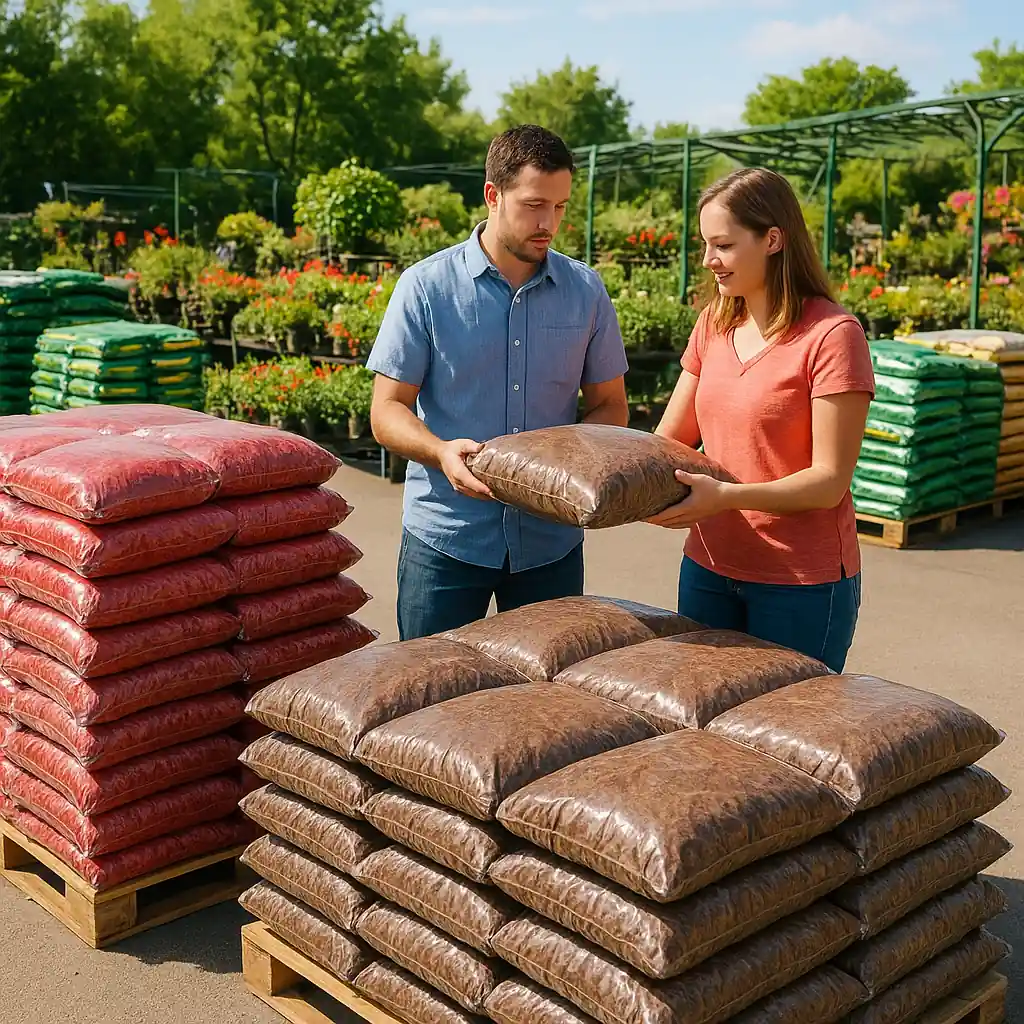
Home Depot’s mulch sale 5-for-10 is a volume promotion on select bagged mulches. The deal usually prices qualifying 2-cu-ft bags at roughly $2 each when you buy five, but availability, included brands, and qualifying SKUs vary by store and week. Knowing which bags qualify and how many you need prevents impulse buys and wasted yard work.
Which mulch types commonly qualify
Typical options in the promo include hardwood, cedar, dyed mulch, and certain recycled bark blends. Check the weekly ad and the product tag in-store to confirm eligibility. For more details on qualifying types and timing, see the coverage at which mulch types are in the sale and the store’s weekly notices.
Calculate how much mulch you need
Stop guessing. Follow these four clear steps and use the quick calculator below to estimate bags required for beds, planters, or a small yard.
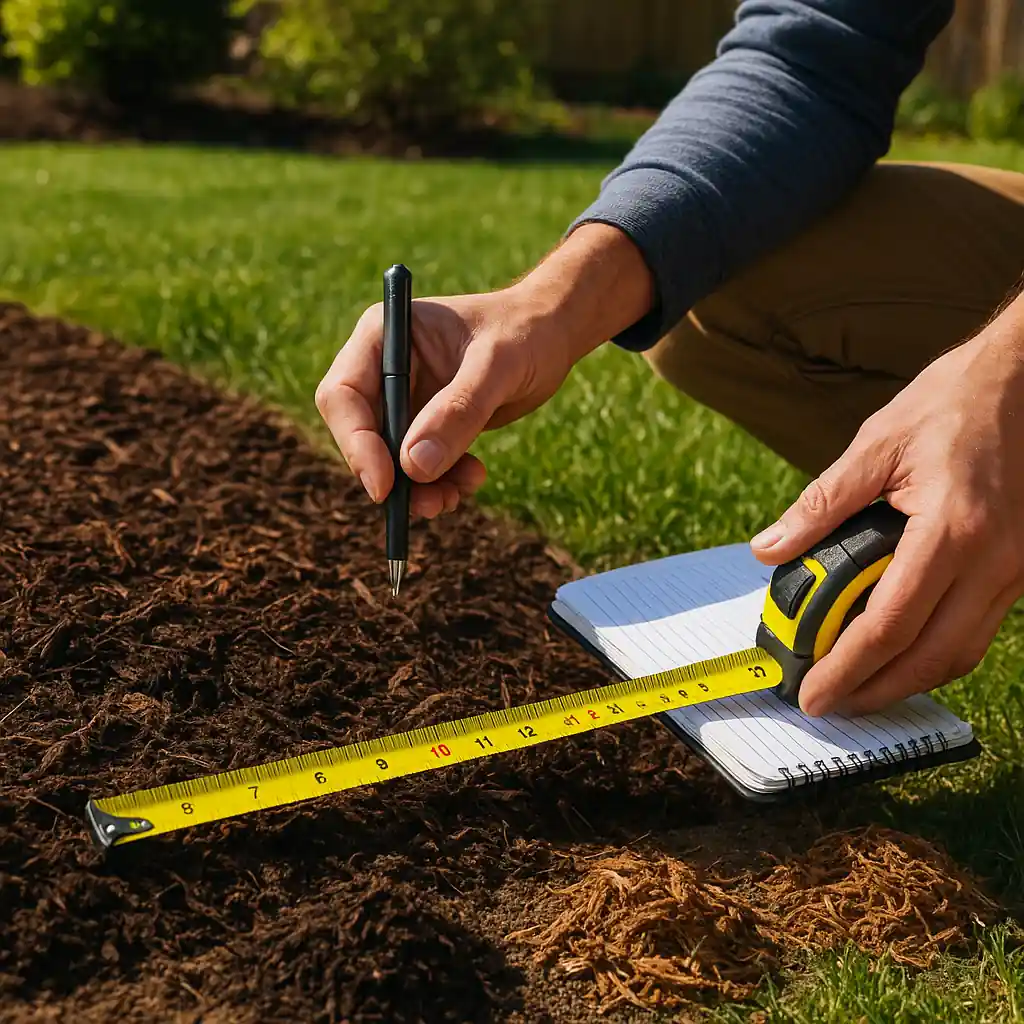
Step 1 — Measure the area
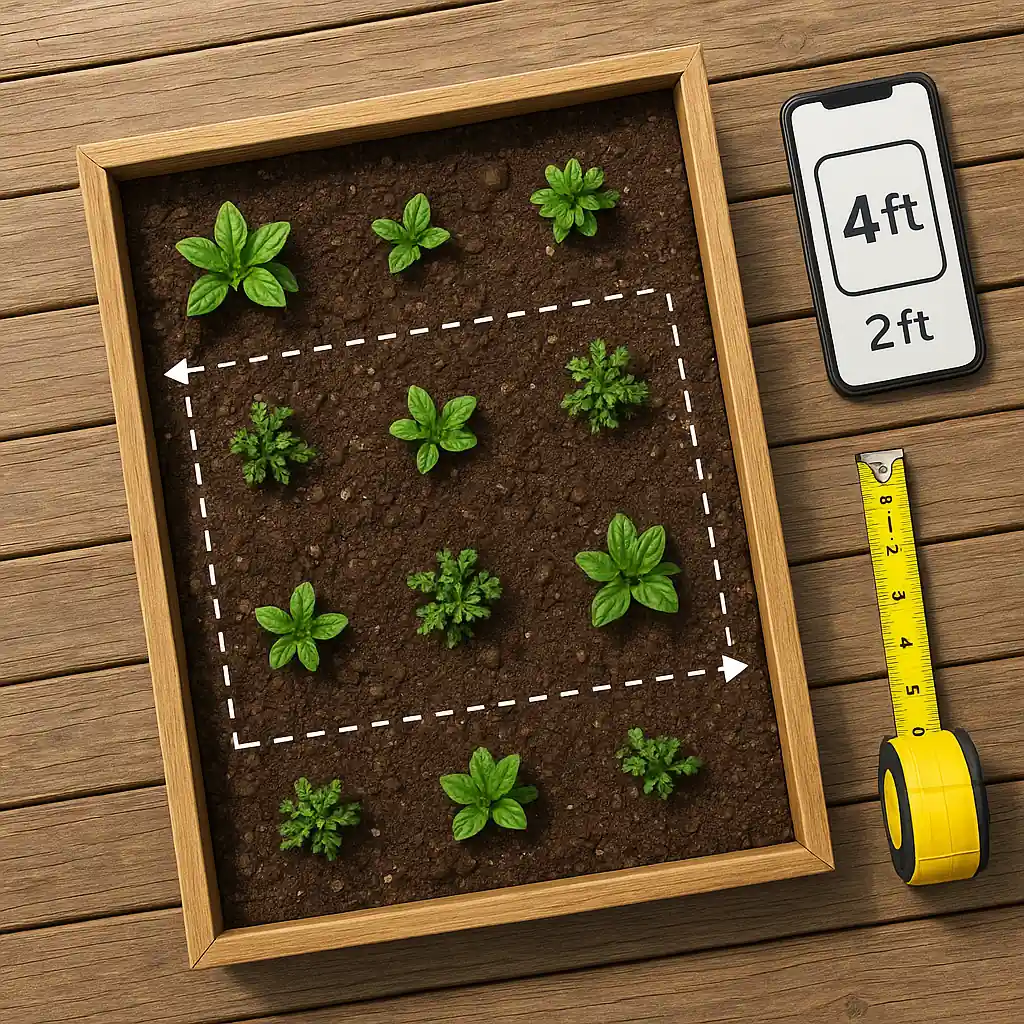
Use a tape measure or a phone app to record dimensions. For rectangular beds note length and width. For circular beds measure the radius (distance from center to edge). Write down square feet for each area and add them together.
Step 2 — Choose depth
Standard mulch depths: 1 inch for established beds, 2 inches for weed suppression, and 3 inches for new plantings or heavy weed control. Convert depth to feet when using the formula (1 inch = 0.083 ft).
Step 3 — Use the volume formula
Volume (cubic feet) = area (square feet) × depth (feet). Example: a 100 sq ft bed at 2 inches (0.167 ft) needs 16.7 cu ft of mulch.
Step 4 — Convert to bag count
Most promo bags are 2 cu ft. Bags required = total cubic feet ÷ bag size. Round up to avoid running out. Example above: 16.7 ÷ 2 = 8.35 → buy 9 bags.
- Quick calculator: (Length × Width) × (Depth in inches ÷ 12) ÷ Bag cubic feet = Bags needed.
Practical buying strategies during the sale
Here are tactics to get the best value and avoid common traps when the mulch sale 5-for-10 runs:
- Confirm the bag size and UPC at the register—some stores have mixed bag sizes on the same display.
- Buy in multiples of five only if the per-bag price is meaningful for your plan; otherwise compare per-cubic-foot costs.
- Reserve by phone or check local stock using the Home Depot app before you drive—popular stores sell out fast.
- If you need more than 25 bags, ask about contractor or pallet pricing; bulk purchases sometimes beat repeated sale buys.
Pickup vs delivery — which saves time and money?
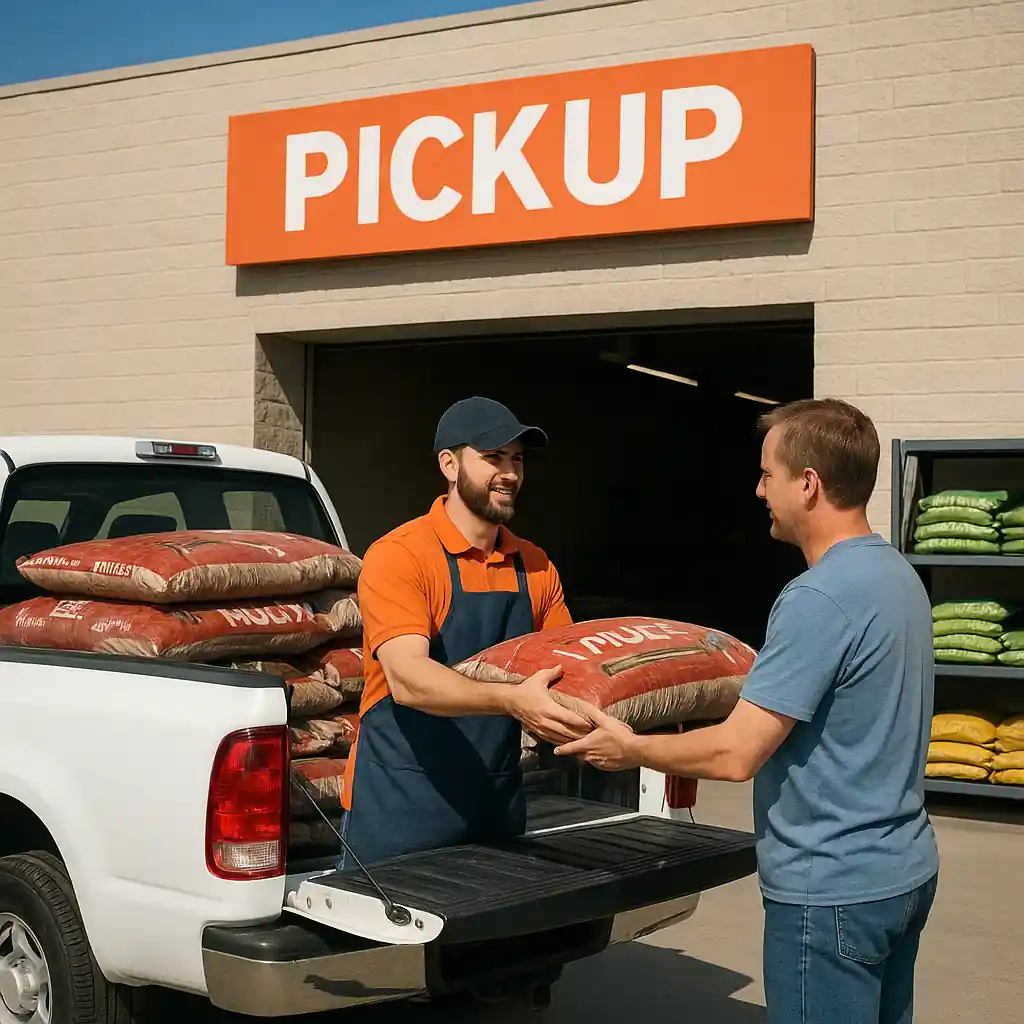
Pickup saves delivery fees and avoids scheduling, but you must load and transport. If you don’t own a truck, Home Depot offers delivery and curbside options—compare pricing and convenience at delivery, pickup, and truck rental tips. For smaller runs under 10 bags, pickup is often faster and cheaper.
Account for waste, settling, and repeats
Always add 5–10% extra to your total for settling, irregular bed edges, and future top-ups. Organic mulch decomposes and settles; plan to top off thin areas annually. That extra bag can prevent a second trip if your measurement was slightly low.
Save more: coupons, stacking rules, and timing
Coupons and promo codes sometimes stack with in-store sale events but rules vary. Use coupon stacking guides and the Home Depot weekly ad to time your purchase for the deepest savings. For sale timing and weekly ad schedules, check the guide on when the mulch sale usually starts.
Simple example: planning a mid-size bed
Suppose you have two beds: 40 sq ft and 60 sq ft. Total = 100 sq ft. You want 2 inches depth: 100 × (2/12) = 16.7 cu ft. At 2 cu ft per bag, you need 9 bags. With the 5-for-10 pricing, you get the best unit cost buying 10 bags (two sets of five), so buy 10 and keep one bag for future touch-ups.
Mulch choice, environmental notes, and resources
Pick mulch that suits plant needs. Cedar is aromatic and natural insect deterrent; hardwood lasts longer; dyed mulch offers curb appeal. Avoid treated wood or mulch containing contaminants. For composting and mulch best practices, review government resources such as the USDA guidance on mulch and soil health and EPA materials on organic materials management.
Helpful links:
USDA for soil and mulch best practices, and
EPA for yard waste and environmental guidance.
Conclusion
Using simple measurements, a depth decision, and the bag-volume conversion prevents overbuying during the mulch sale 5-for-10 promotion. Measure first, calculate bags, round up for waste, and verify qualifying SKUs in-store or via the app. With planning you’ll save money, avoid extra trips, and get consistent results across beds and planters.
Editor’s note: If you’re calculating mulch for beds or trees, double-check measurements and allow for settling to avoid shortfalls. For current pricing and bundle options, see our Home Depot mulch hub: Home Depot mulch sale guide.