
Shoppers who hunt clearance sometimes spot tiny price tags or one-cent barcodes and wonder if those finds are legal to buy. Home Depot penny deals have become a topic of debate among bargain hunters and resellers because the discounts can be dramatic — and the rules are not always obvious.
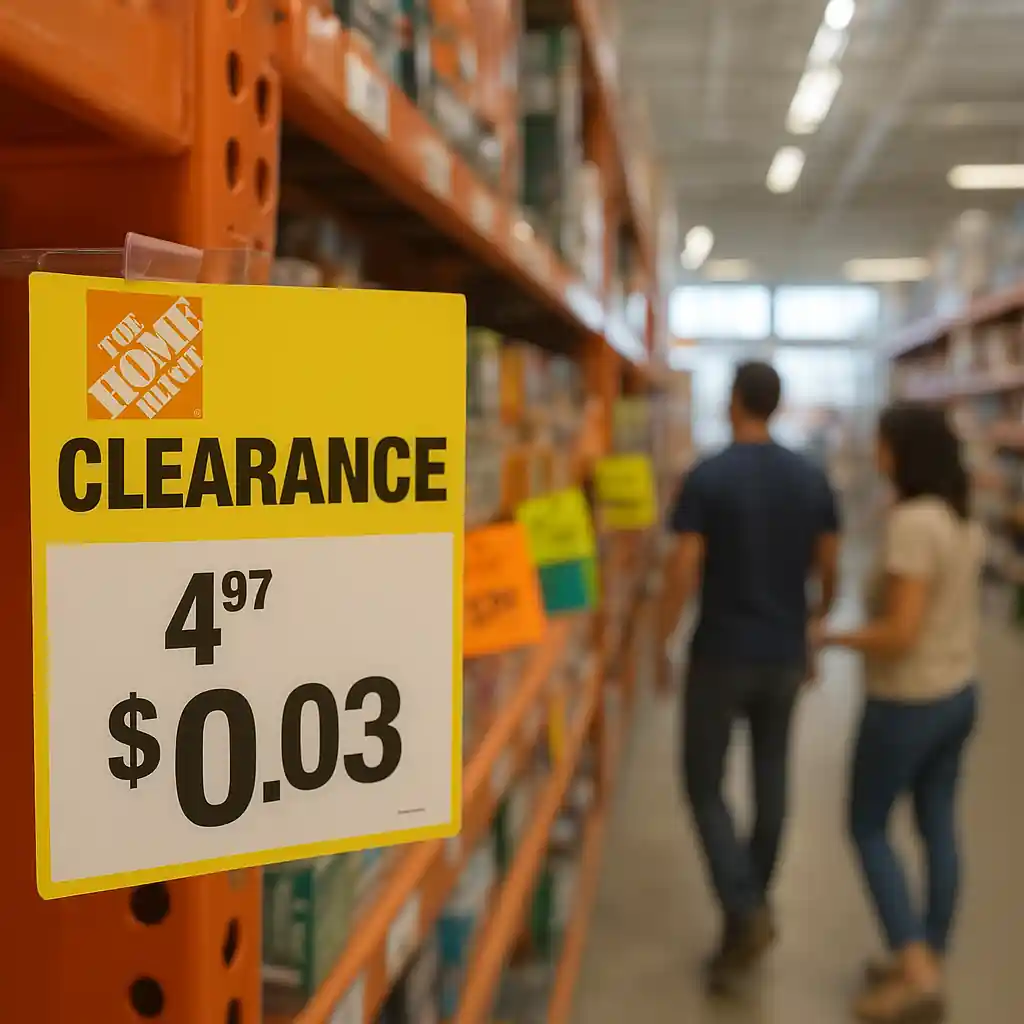
What are home depot penny deals and why they show up
At its core, a penny deal is a deeply markdowned item that rings up for a nominal price at checkout. Retailers use clearance pricing, barcode updates, and seasonal markdowns to clear inventory. A tag that reads a penny or an unexpected barcode result is usually the product of a pricing update, a system error, or a local clearance strategy.
Understanding why penny tags appear helps you judge whether a sale is legitimate and whether you should proceed. Terms like clearance, discontinued, scratch-and-dent, or price correction are often nearby on aisles and product stickers.
Are home depot penny deals legal to buy?
Yes — in most cases it is legal for a customer to purchase an item at the price it scans at the register. U.S. law does not make it illegal for a shopper to buy an item at a retailer’s displayed price. However, a few important limits exist: retailers can correct pricing errors, and store policy or local sales tax rules can affect the final purchase. In rare cases where a product is restricted (hazardous goods, recalled items), additional rules apply and the sale may be refused.
Retailers typically reserve the right to correct obvious mistakes, but computer stores and local managers vary in their approach. That means even if an item scans for a penny, the cashier or manager may investigate before completing the sale.
Store policy vs. consumer protection law
Consumer protection laws vary by state, and some jurisdictions require retailers to honor advertised prices in certain circumstances. Still, most state laws allow retailers to fix pricing mistakes if they can prove the price was an obvious error. Home Depot’s internal policy governs how staff handle low-price items and corrections; knowing the policy helps you handle disputes calmly.
How to check penny tags, barcodes, and clearance stickers
Before you try to buy a penny-marked item, do a few quick checks in-store to confirm the price and avoid surprises at checkout:
- Scan the barcode with the price scanner in the aisle or use the Home Depot app to confirm the SKU price.
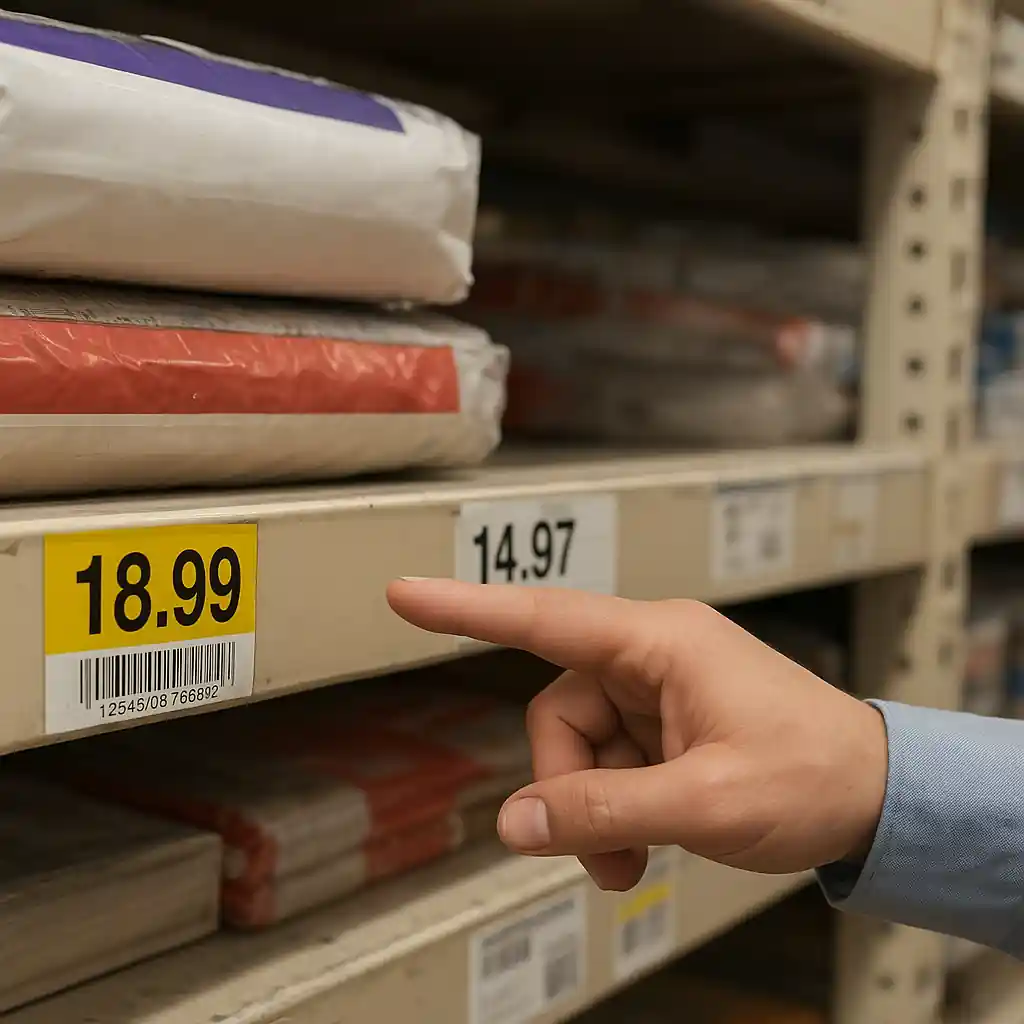
- Compare the shelf tag number, barcode, and SKU. Mismatched numbers often signal an error.
- Look for nearby clearance signs or a price change sticker — managers sometimes leave notes about markdown waves.
- If the item is on a pallet or endcap, check if the tag belongs to a different product stacked nearby.
Scanning and cross-checking reduce the chance of a transaction being reversed later. If a price doesn’t match, ask a team member to look it up rather than assume it will ring up low.

Practical steps if a penny deal scans at checkout
If your item scans for a penny, follow these steps to keep the transaction smooth and respectful:
- Remain calm and polite; retail staff are more likely to verify the price quickly if you cooperate.
- Offer to show the shelf tag or barcode so the cashier can compare numbers.
- If a manager is called, let them confirm the price on their terminal; managers sometimes have authority to honor the scanned price.
- Keep your receipt — it documents the sale and helps if there is a later dispute.
Refusing to allow staff to investigate can lead to cancellations. Most managers will accept a valid scanned price rather than create a scene, but policies differ by location.
Risks and legal considerations when buying penny items
Buying penny deals carries some risks you should consider before reselling or using the product:
- Recalls and safety: deeply discounted items may have safety flags. Check the U.S. Consumer Product Safety Commission for recall history before reselling or using high-risk products (cpsc.gov).
- Restricted products: some items (gas, chemicals, appliances requiring installation) have rules that can block sale or transfer.
- Price adjustments: stores may investigate patterns of repeated penny purchases, especially from account-based returns or seller activity.
- Warranty and condition: clearance stock can lack full manufacturer warranty or be sold as-is.
Reselling and business use: best practices
If you plan to resell penny deals, be transparent about condition and returns. Accurate listings, honest condition descriptions, and compliance with platform rules (for marketplaces like eBay or Amazon) reduce buyer disputes and policy enforcement.
For store relationship management, avoid practices that appear like exploitation of pricing mistakes — frequent or bulk purchases of penny items may invite closer scrutiny by corporate loss-prevention teams.
How to find penny deals ethically and safely
Rather than relying on price errors, use reliable clearance strategies that respect store rules and reduce risk:
- Watch seasonal clearance windows (holiday, lawn & garden, back-to-school) when markdowns accelerate.
- Use the Home Depot weekly ad and online clearance pages to spot legitimate discounts; combine with coupon strategies found in coupon guides like Home Depot promo code resources on this site.
- Learn tag and barcode patterns — our guide on spotting penny tags helps you decode stickers and SKU codes (How to Spot Home Depot Penny Deals).
- Be patient: the deepest markdowns often happen in final clearance waves and holiday reset periods.
Combining smart timing with verified promo codes and coupons increases your savings without courting controversy. For online coupon guidance, see our coupon code guide which explains valid coupon types and stacking rules.

Conclusion: buy smart, stay legal, and respect policies
Buying an item at its scanned price is generally legal, but the safest approach relies on common-sense checks and respectful behavior. Confirm barcodes, check for recalls, and accept manager verification if asked. If you treat penny finds as a bonus rather than an entitlement, you’ll keep the process smooth and reduce the chance of a reversed transaction.
Use official sources like Home Depot’s site for store policy checks and the CPSC for product safety. When in doubt, ask store staff or choose a different bargain — good deals won’t disappear if you shop responsibly.
For more background on what penny deals are and how they work, see our primer at What Are Home Depot Penny Deals.
Editor’s note: It’s useful to understand the laws and store policies that affect Home Depot penny deals before attempting to buy them. For a practical overview and tips on spotting legitimate markdowns, see our hub guide: Home Depot penny deals guide.